
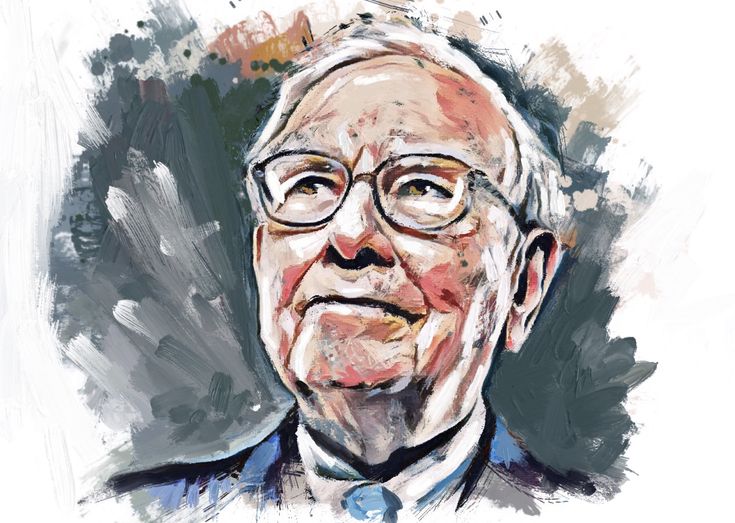
Warren Buffett's Timeless Lessons for First-Time Indian Investors
Investing Wisdom
Whether you're just starting out or have been investing for years, the principles that separate great investors from the rest aren't complicated — but they do require discipline, patience, and a genuine love for learning. Here are some of the most important lessons to carry with you on your investing journey.
Never Stop Learning
No amount of money invested in stocks can outperform a person who invests in educating themselves first. The more you understand about the businesses and markets you're interested in, the more confident and capable you become as an investor. Knowledge, just like money, compounds over time — and the dividends it pays are enormous. Make learning a daily habit, not an occasional one.
"The most important investment you can make is in yourself. The more you learn, the more you'll earn."
Be Patient
If you've spent any time in the markets, you've seen it happen: a bit of turbulence hits and investors scramble to dump their stocks, only to watch prices recover days later and kick themselves for selling. Great investors keep their emotions in check. They buy when others are panicking and hold back when the crowd is getting overly excited. Patience isn't just a virtue in investing — it's a strategy.
"The stock market is a device for transferring money from the impatient to the patient."
Don't Realise Losses You Don't Have To
Seeing your portfolio go red can feel awful, but here's the key thing to remember: a loss on paper isn't a real loss until you sell. As a long-term investor — which is exactly what you should aspire to be — short-term price fluctuations shouldn't dictate your decisions. Daily and weekly dips are just noise. Stay focused on the bigger picture.
"Rule No. 1: Never lose money. Rule No. 2: Never forget Rule No. 1."
Focus on a Domain You Understand
One of the most important questions you can ask before investing is: "Do I actually understand how this business makes money?" When you deeply understand a sector or industry, you can spot strong performers, identify competitive advantages, and make smarter calls on a company's future potential. Instead of chasing the latest trend across different industries, pick a domain and go deep. The results over time will speak for themselves.
"Never invest in a business you cannot understand."
Read Market Sentiment Like a Pro
As the old saying goes, the best time to buy is when there's blood in the streets. When chaos hits the markets — think global pandemics, geopolitical tensions, or sudden economic shocks — panic selling often drags down great companies along with the rest. That's your opportunity. Equally, when markets get euphoric over unproven technologies or speculative trends, that's your signal to be cautious. Learning to read the emotional temperature of the market is one of the most valuable skills you can develop.
"Be fearful when others are greedy, and greedy when others are fearful."
Evaluate True Potential, Not Just Price
The best companies have a moat — a durable competitive advantage that keeps customers coming back and competitors at bay. Think strong brand loyalty, proprietary technology, high switching costs, or a dominant market position. It's far wiser to invest in a great company at a fair price than a mediocre company at a cheap one. Look for healthy financials, sustainable business models, and a clear edge over the competition.
"It's far better to buy a wonderful company at a fair price than a fair company at a wonderful price."
Think Long Term
The investing game rewards those who think in years and decades, not days and weeks. Focus on steady, reasonable annual returns and let the magic of compounding do the heavy lifting over time. Wealth is never built overnight — and anyone telling you otherwise is selling something. Plant your financial seeds today and give them the time they need to grow.
"Someone is sitting in the shade today because someone planted a tree a long time ago."
Learn to Say No
Great investors are selective. Rather than spreading their money thin across dozens of stocks, they concentrate on a handful of high-conviction picks. This means developing the discipline to filter out mediocre opportunities — and saying no to most of them. Ironically, the less you invest in, the more focused and profitable your portfolio can become. Think of every "no" as protecting your "yes."
"The difference between successful people and really successful people is that really successful people say no to almost everything."
Don't Let Emotions Drive Your Decisions
The formula for investing success is deceptively simple: buy low, sell high. Yet most people do the opposite — panic-selling when prices fall and buying enthusiastically when they've already peaked. This emotional decision-making is almost always costly. When you truly understand the value of what you own, short-term market swings lose their power over you. Logic, not fear or excitement, should drive your trades.
"It takes 20 years to build a reputation and five minutes to ruin it. If you think about that, you'll do things differently."
Diversify Thoughtfully, Not Excessively
While focusing on a few strong picks is wise, don't put everything into a single basket either. Smart diversification means spreading risk across a few well-understood sectors or asset types — not blindly buying into dozens of companies you barely know. Balance conviction with caution, and always ensure your portfolio reflects a range of scenarios, not just your most optimistic one.
Love What You Do
Sustainable long-term investing takes real passion. If you're treating it purely as a chore, it's hard to stay curious, stay disciplined, and keep showing up when things get tough. Find genuine interest in the businesses you invest in, the industries you follow, and the financial concepts you're learning. When you love the process, the results tend to follow.
"Take a job that you love. I think you are out of your mind if you keep taking jobs that you don't like because you think it will look good on your resume."
Keep Learning — Always
We'll end where we started: never stop learning. Knowledge compounds just like a great investment does. The concepts you pick up today lay the foundation for understanding more complex ideas tomorrow. Read widely, question everything, and stay curious. Your future portfolio will thank you.
"Read 500 pages a day. That's how knowledge works. It builds up like compound interest."
Investing is a long game — and the good news is, anyone can play it well with the right mindset and habits. Start small, stay patient, keep learning, and trust the process. The best time to start was yesterday. The second best time is right now.